
Arthritis can make walking, climbing stairs, turning the head, gripping objects, or getting out of a chair more difficult. For residents of Binghamton, NY, seasonal cold, icy sidewalks, older housing features, and changes in daily activity can add practical challenges to managing stiff or painful joints.
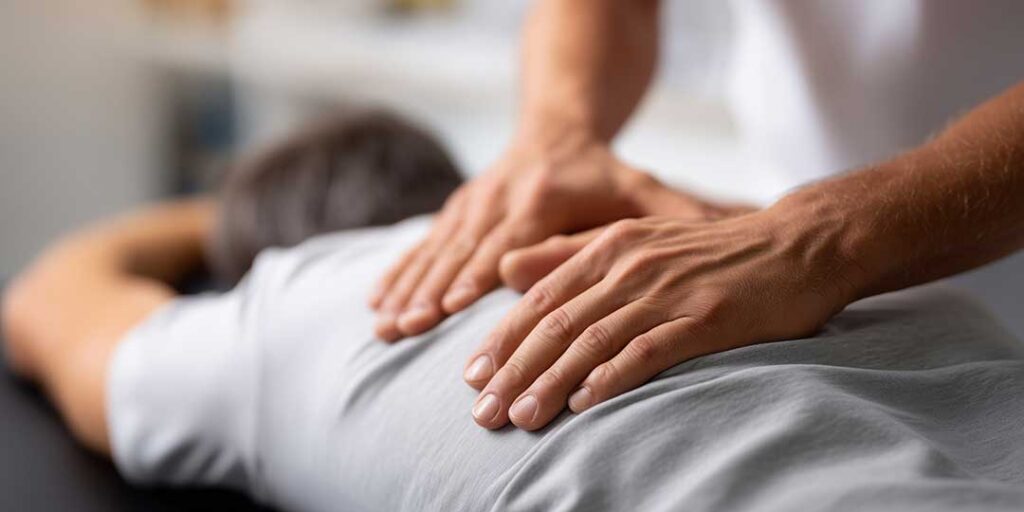
Chiropractic care may be one part of a broader arthritis plan, especially when treatment focuses on movement, posture, joint protection, and exercise rather than relying on spinal manipulation alone. The most useful approach depends on the type of arthritis, the affected joint, overall health, and whether symptoms are stable or changing.
What type of arthritis is causing the symptoms?
The word arthritis describes more than 100 conditions, and not all of them should be managed in the same way. Osteoarthritis commonly affects the knees, hips, hands, spine, and other weight-bearing joints. Rheumatoid arthritis, psoriatic arthritis, gout, and other inflammatory conditions can cause joint swelling and require medical evaluation and condition-specific treatment.
A careful health history should consider:
- Which joints hurt and whether symptoms occur on one or both sides
- Morning stiffness and how long it lasts
- Swelling, warmth, redness, or reduced range of motion
- Numbness, tingling, weakness, or pain traveling into an arm or leg
- Previous injuries, surgeries, or diagnoses
- Current medications and other health conditions
Chiropractic care should not be used as a substitute for diagnosis or treatment of inflammatory arthritis, infection, fracture, or other serious causes of joint pain. A new or unexplained pattern of symptoms deserves evaluation before beginning a new exercise or manual-care routine.
Can chiropractic treatment help arthritis?
Chiropractic treatment may help some people move more comfortably, reduce muscle tension around an affected joint, and improve function. Benefits are more likely when care includes exercise guidance, mobility work, activity modification, and education about daily habits.
Manual techniques may include gentle mobilization, soft-tissue work, stretching, or movement-based treatment. These methods are generally intended to support mobility and comfort. They do not rebuild worn cartilage, reverse joint damage, or cure arthritis.
For osteoarthritis of the knee or hip, evidence supports exercise and self-management as central strategies. Manual therapy may be considered in some situations, but research does not show that it consistently adds substantial benefit beyond a well-designed exercise program. Forceful manipulation is not automatically appropriate for an arthritic joint, particularly when there is severe osteoporosis, recent trauma, significant instability, advanced inflammatory disease, or neurological symptoms.
What exercises are usually joint-friendly?
Regular movement often reduces stiffness and improves strength, balance, mood, and day-to-day function. Avoiding activity completely can lead to weaker muscles and greater difficulty with ordinary tasks.
A practical starting routine may include:
- Short, comfortable walks on level ground
- Stationary cycling or outdoor cycling when conditions are safe
- Water exercise or swimming
- Gentle range-of-motion movements
- Strengthening with light weights or resistance bands
- Balance exercises while holding a stable surface
- Tai chi or similar controlled movement practices
Begin with five to ten minutes if longer activity causes a flare. A person may divide exercise into several brief sessions throughout the day. The pace should allow normal conversation, and increases in duration or resistance should be gradual.
Some soreness or stiffness can occur when activity changes, but sharp, escalating, or persistent pain is a warning to reduce the workload and reassess the plan. Pain that causes limping, swelling that continues to increase, or symptoms that remain worse for hours after exercise should not be ignored.
How can heat and cold be used?
Heat may be useful for stiffness, especially before movement. A warm shower, heating pad on a low setting, or warm towel can help relax surrounding muscles. Cold may help after activity when a joint feels irritated or swollen.

Use a cloth barrier between the skin and a heat or cold source. Short applications are generally safer than prolonged exposure. Avoid falling asleep with a heating pad, and use extra caution if sensation or circulation is reduced.
Cold weather does not directly cause arthritis, but it can make stiffness feel more noticeable and may reduce outdoor activity. During colder months, warming up indoors before leaving the house, wearing supportive footwear, and choosing well-cleared walking areas can make movement more manageable. Icy surfaces also increase fall risk, which matters for anyone with knee, hip, ankle, or balance problems.
What daily habits protect painful joints?
Joint protection means reducing unnecessary strain without avoiding movement. Helpful adjustments include:
- Using a chair with firm support when standing from a seated position
- Keeping frequently used kitchen and household items within easy reach
- Choosing shoes with a stable, comfortable sole
- Using hand tools with larger, easier-to-grip handles
- Alternating heavier chores with lighter tasks
- Taking brief movement breaks during prolonged sitting
- Using railings on stairs and keeping walkways free of clutter
- Carrying smaller loads rather than one heavy load
For residents in older homes, stairs, uneven floors, low seats, and bathroom surfaces may affect joint safety. Simple changes such as improved lighting, secure handholds, and nonslip surfaces can reduce strain and the chance of falling.
Does body weight affect arthritis pain?
For arthritis affecting weight-bearing joints, excess body weight can increase mechanical stress during walking and standing. Even modest weight reduction may improve comfort and mobility for some people, particularly when combined with strength training and low-impact aerobic activity.
Weight management should not be approached as a test of willpower or as the only treatment. Pain, limited mobility, sleep problems, medications, and other health conditions can all affect weight. A sustainable plan usually emphasizes regular meals, adequate protein and fiber, enjoyable movement, and gradual changes rather than extreme diets.
When should joint pain be medically evaluated?
Prompt medical evaluation is appropriate for a joint that is suddenly hot, red, very swollen, or severely painful. Other warning signs include fever, unexplained weight loss, a recent significant injury, new weakness, loss of bladder or bowel control, or numbness that is spreading or worsening.
A person should also seek evaluation when pain repeatedly interrupts sleep, steadily limits walking or hand use, or does not improve with reasonable activity changes. These symptoms may indicate a condition that requires medication, imaging, laboratory testing, physical therapy, rheumatology care, or another form of treatment.
The safest arthritis plan is usually collaborative: accurate diagnosis, regular joint-friendly movement, sensible activity modification, attention to sleep and general health, and treatment choices matched to the individual rather than to a single technique.
