
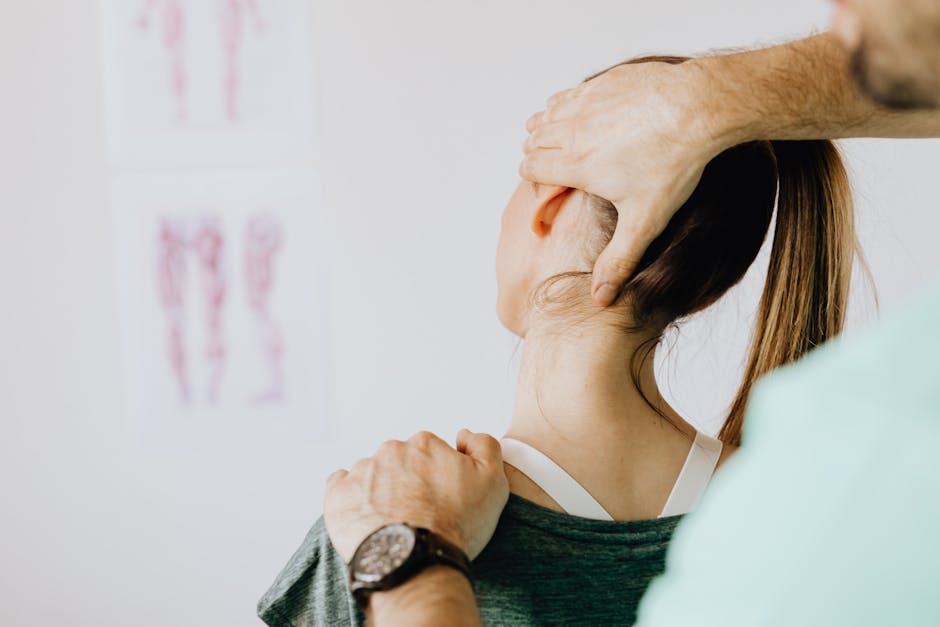
Living in Binghamton, New York, often means balancing the demands of work, family, and enjoying our scenic outdoors—from chilly winters shoveling driveways to summer hikes in Chenango Valley State Park. Many Binghamton locals visit chiropractors to relieve discomfort from daily strain, past injuries, or to maintain their overall wellness. If you've experienced or are considering your first chiropractic adjustment, you may wonder: Is it normal to feel sore afterward? Let's explore what happens to your body during an adjustment, why soreness sometimes occurs, and tips for managing these sensations, especially within the context of our unique local lifestyle.
What Happens During a Chiropractic Adjustment?
A chiropractic adjustment, often known as spinal manipulation, is a drug-free and hands-on therapy. It involves a chiropractor using precise force to adjust joints in the spine or other body areas. The goal is to improve mobility, reduce pain, and restore function. For many in Binghamton—whether you’re sitting at a desk in one of our downtown offices or spending weekends exploring local trails—regular adjustments can lead to better movement and less discomfort.
Is Soreness After an Adjustment Normal?
Yes, mild soreness after a chiropractic adjustment is common, especially for first-time patients or those returning after a long break. This sensation is often compared to the muscle aches felt after a new workout or physical activity. The reason? Adjustments stimulate muscles and joints that might not have moved in certain ways for a while. This can cause micro-changes in your tissues, leading to temporary soreness.
Why Do Some People Get Sore?
There are several reasons you might feel sore after your chiropractic visit:
- Muscle Adaptation: Much like taking your first walk on the Binghamton River Trail after winter, your muscles need time to adjust to new movements.
- Tissue Release: Adjustments can help release tension or small restrictions that have built up over time. This release can be accompanied by mild inflammation or tenderness.
- Increased Blood Flow: Improved circulation after adjustment can bring more nutrients and oxygen to tissues that were previously tight or restricted, sometimes resulting in a tingling or sore feeling.
How Long Does Soreness Last?
For most people, post-adjustment soreness is mild and fades within 24 to 48 hours. Think of it like the post-hiking soreness you might feel after a climb up the trails near Binghamton University Nature Preserve—it’s a natural part of your body’s adaptation and healing process.
If you have chronic pain, old injuries from local sports leagues, or lead a highly active lifestyle, your initial response might be more pronounced but often diminishes with continued care.
Tips for Managing Soreness After a Chiropractic Adjustment
If you feel sore after your chiropractic session in Binghamton, here are some simple ways to ease discomfort and support your recovery:
- Stay Hydrated: Our Upstate New York climate can be dehydrating, especially during winter. Drinking water helps flush out any toxins released during adjustment.
- Gentle Movement: Take a gentle walk along the Chenango River or around your neighborhood to encourage circulation. Avoid strenuous activity for the first 24 hours unless your chiropractor advises otherwise.
- Apply Ice or Heat: Use an ice pack if you notice swelling, or a warm compress if you feel tightness.
- Rest When Needed: Listen to your body. Resting helps recovery, especially if you have a physically demanding job or participate in active local hobbies like biking or gardening.
- Follow Your Chiropractor’s Advice: Local chiropractors often provide specific stretches or home care routines tailored to your lifestyle—such as those focusing on posture for people who commute between Binghamton and surrounding areas.
When Should You Be Concerned?
While mild soreness is normal, severe pain, numbness, or symptoms that worsen over time are not typical and warrant a call to your chiropractor. Most providers in the Binghamton area are happy to answer follow-up questions and re-evaluate your care plan if your symptoms don’t improve.
Why Soreness May Be a Sign of Progress
Feeling sore after an adjustment isn’t necessarily a bad sign. It often means that joints and muscles are responding to new alignment and releasing tension that has built up, especially if you’ve been affected by our region’s cold winters or summer humidity, both of which can contribute to muscle stiffness. With regular chiropractic care, many Binghamton residents report less soreness after subsequent visits and an overall improvement in mobility and wellbeing.
Customized Care for Binghamton’s Lifestyle
Every Binghamton resident faces unique challenges, from weather changes affecting joints to physically demanding jobs in hospitals, schools, or local factories. Chiropractors tailor adjustments to fit your specific needs, activity level, and health goals. Being open about your daily lifestyle—such as winter shoveling, seasonal sports, or jobs with heavy lifting—enables your provider to optimize your care and help you recover faster.
The Bottom Line: Embrace the Healing Process
If you’re considering chiropractic care or have just had your first adjustment in Binghamton, remember that mild soreness is part of the body’s natural healing response. With proper hydration, gentle activity, and care, this temporary discomfort typically gives way to reduced pain, better movement, and a stronger, healthier you—ready to enjoy all that the Southern Tier has to offer.
If you have more questions specific to your needs or lifestyle in Binghamton, never hesitate to reach out to a trusted local chiropractor for guidance.
