
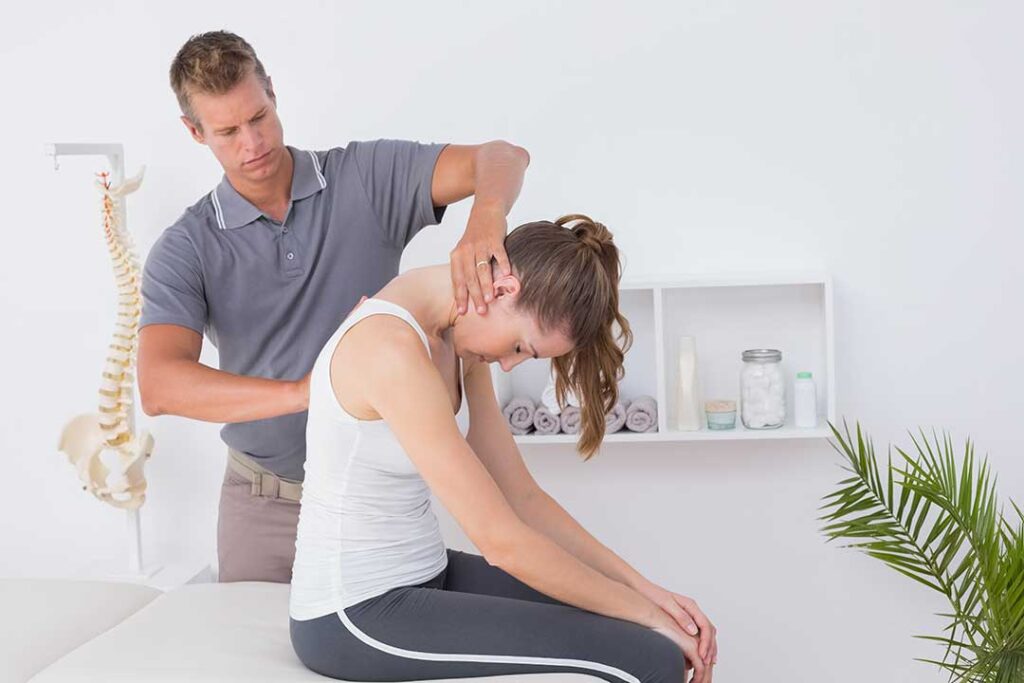
As people age, maintaining comfortable movement can support independence, daily routines, and quality of life. Chiropractic care may help some seniors manage certain types of back, neck, or joint-related discomfort, particularly when treatment is carefully adapted to bone strength, medical history, medications, and overall mobility.
Chiropractic care is not a cure for every age-related condition, and it should not replace medical evaluation for unexplained pain, weakness, falls, or neurological symptoms. The most appropriate approach depends on the individual.
What benefits may chiropractic care offer seniors?
The clearest potential benefit is modest improvement in pain and physical function for some people with low-back pain. Spinal manipulation is one of several nondrug approaches used for acute or chronic low-back pain, and research summarized by the National Center for Complementary and Integrative Health suggests it may provide small improvements in pain and function. Function can include walking, standing, sleeping, and completing household tasks. ([nccih.nih.gov](https://www.nccih.nih.gov/health/spinal-manipulation-what-you-need-to-know?utm_source=openai))
For an older adult, even a modest improvement may be meaningful. Less discomfort could make it easier to:
- Get up from a chair
- Walk through the home or community
- Prepare meals
- Complete light household activities
- Participate in prescribed exercise
- Sleep more comfortably
Some people also seek care for neck discomfort, stiffness, or limited spinal movement. However, treatment should be based on a careful assessment rather than age alone or the assumption that pain is simply a normal part of aging.
Can chiropractic care improve balance or prevent falls?
Chiropractic treatment by itself should not be considered a fall-prevention program. Falls are influenced by many factors, including muscle weakness, vision changes, medication side effects, foot problems, blood-pressure changes, unsafe footwear, and hazards such as wet or icy walkways. ([nia.nih.gov](https://www.nia.nih.gov/health/falls-and-falls-prevention/falls-and-fractures-older-adults-causes-and-prevention?utm_source=openai))
Reducing pain and improving movement may help an individual stay active, but balance and fall prevention usually require a broader plan. Older adults can benefit from aerobic, muscle-strengthening, and balance activities, provided those activities are appropriate for their health and ability. ([nia.nih.gov](https://www.nia.nih.gov/health/exercise-and-physical-activity/health-benefits-exercise-and-physical-activity?utm_source=openai))
For residents dealing with winter conditions, slick sidewalks, stairs, or uneven outdoor surfaces, practical safety measures matter as much as mobility treatment. Keeping walkways clear, using suitable footwear, standing up slowly, and using a properly fitted cane or walker can reduce avoidable risks. A fall should be reported to a medical provider even if it does not cause immediate pain, because it may reveal medication, vision, balance, or health concerns. ([nia.nih.gov](https://www.nia.nih.gov/health/falls-and-falls-prevention/falls-and-fractures-older-adults-causes-and-prevention?utm_source=openai))
How is treatment different for an older adult?
Care for seniors should generally begin with a detailed health history and a physical assessment. Relevant information includes:
- Osteoporosis or osteopenia
- Previous fractures or falls
- Arthritis and spinal stenosis
- Joint replacements or recent surgery
- Cancer, infection, or inflammatory disease
- Blood-thinning medication
- Numbness, tingling, or weakness
- Dizziness or balance problems
- Recent changes in pain
Older adults may have more than one health condition, and symptoms can overlap. For example, back pain may be related to muscle strain, arthritis, a nerve problem, a fracture, or another medical issue. The cause should be considered before manual treatment begins.
Treatment may involve gentle mobilization, soft-tissue techniques, movement advice, or exercises rather than forceful manipulation. The specific method should reflect bone density, joint stability, comfort, and the person’s functional goals.
Is chiropractic care safe for seniors?
Safety depends on the person’s health, the area being treated, and the technique used. Common short-term effects after spinal manipulation can include temporary soreness, stiffness, or tiredness. MedlinePlus advises that chiropractic treatment should not be performed over areas affected by fractures, bone tumors, severe arthritis, bone or joint infection, severe osteoporosis, or serious nerve symptoms. ([medlineplus.gov](https://www.medlineplus.gov/ency/patientinstructions/000416.htm?utm_source=openai))
Neck manipulation deserves particular caution. Rare but serious complications have been reported, and a person with significant risk factors may need a different approach. Symptoms such as arm or leg weakness, progressive numbness, severe or unusual headache, dizziness, trouble speaking, or difficulty walking require prompt medical attention rather than routine manual care.
A senior should also be cautious about treatment after a recent fall, especially if there is new back pain, hip pain, bruising, difficulty bearing weight, or pain that worsens quickly. A fracture can sometimes occur with relatively little force when bones are fragile.
What conditions should be evaluated medically first?
Certain symptoms should not be managed solely through chiropractic treatment. Medical evaluation is especially important for:
- New pain after a fall or accident
- Unexplained weight loss or fever
- History of cancer with new spinal pain
- Loss of bladder or bowel control
- Numbness around the groin or inner thighs
- Increasing weakness in an arm or leg
- Severe pain that does not ease with rest
- Sudden dizziness, confusion, or trouble walking
- Pain accompanied by chest discomfort or shortness of breath

These symptoms may signal a fracture, infection, nerve compression, vascular problem, or another condition requiring urgent assessment.
Can chiropractic care reduce the need for pain medicine?
It may help some people use a broader pain-management plan, but it should not be viewed as a guaranteed substitute for medication. Pain treatment for older adults often combines movement, strengthening, physical therapy, medication review, sleep support, and other approaches.
Medication safety is particularly relevant because some pain medicines can cause dizziness, confusion, stomach bleeding, kidney problems, or falls. The National Institute on Aging notes that opioids can increase fall risk and that some anti-inflammatory medicines may be unsafe for people with certain health conditions. ([nia.nih.gov](https://www.nia.nih.gov/health/pain/pain-you-can-get-help?utm_source=openai))
Any change in prescription or over-the-counter medication should be discussed with the prescribing clinician or pharmacist. Chiropractic care should fit into the person’s overall medical plan rather than operate separately from it.
What questions should a senior ask before treatment?
A useful discussion may include:
- What is the likely cause of the pain?
- Is imaging or another medical evaluation needed?
- Which techniques are appropriate given bone density and medications?
- Will neck manipulation be avoided if risks are present?
- What symptoms should lead to urgent medical care?
- How will progress be measured?
- What exercises or daily activities can support mobility safely?
The goal should be practical function, such as walking more comfortably, standing safely, or completing daily tasks—not simply repeated treatment without clear benefit.
For older adults in Binghamton, seasonal ice, snow, indoor heating, long periods spent indoors, and home stairways can all affect movement and fall risk. A balanced plan that combines safe activity, home awareness, medical coordination, and carefully selected treatment is more useful than relying on spinal adjustments alone.
