
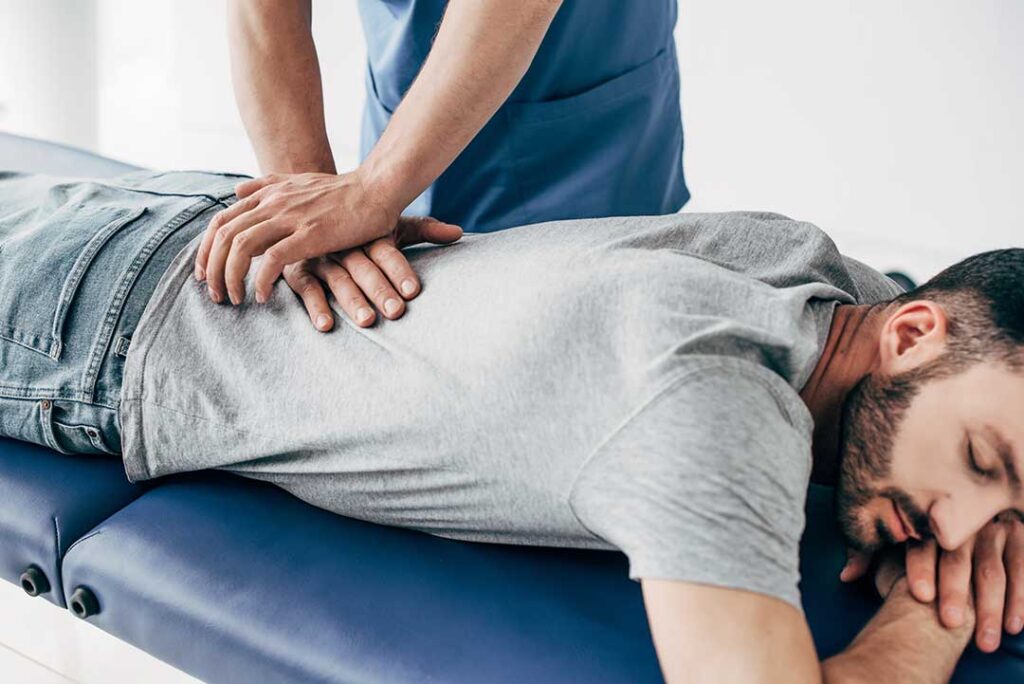
How Are Jaw Pain and Spinal Health Connected?
Jaw pain and spinal health are closely linked due to the body’s interconnected system of muscles, nerves, and joints. When the jaw—especially the temporomandibular joint (TMJ)—becomes misaligned or strained, it can contribute to discomfort not just in the face but all the way down the neck and spine. This connection often goes unnoticed by residents addressing isolated symptoms rather than whole-body balance.
The jaw and spine communicate through shared muscles and nerve pathways. Strain or dysfunction in the jaw can cause ripple effects, sometimes triggering headaches, neck stiffness, upper back soreness, or even postural problems.
Can Poor Posture Cause Jaw Problems?
Slouching or holding the neck incorrectly—an issue that increases during long winters or while working indoors in Binghamton—can absolutely affect your jaw. When the head moves forward or the shoulders round, additional pressure is placed on the jaw muscles. This alignment issue makes it more likely for the TMJ to experience stress or become irritated.
Common lifestyle patterns in the city, such as longer hours spent seated in home offices or at local schools, increase the risk of forward-head posture. Over time, this can not only result in jaw discomfort or clicking but also leave area residents feeling fatigued or tense in both the upper back and jaw.
Why Does Jaw Pain Sometimes Lead to Neck or Back Discomfort?
Jaw pain often leads to neck or upper back pain through compensatory muscle habits. The muscles responsible for moving the jaw (like the masseter and temporalis) are closely linked with those in the neck and shoulders. If chewing feels uncomfortable, many people unconsciously alter how they hold their head or neck to reduce pain while speaking or eating.
This can cause:
- Persistent stiffness at the base of the skull
- Upper back tension after a night of jaw clenching (often noted during colder local months, when stress and bruxism can increase)
- Headaches near the temples or behind the eyes
When jaw function returns to normal, these related symptoms often ease as well, showing how interconnected the jaw and spine truly are.
What Are Common Causes of Jaw Pain That Relate to the Spine?
Jaw pain connected to the spine may stem from:
- TMJ dysfunction (often found in those with previous whiplash or neck injuries)
- Bruxism (teeth grinding), which increases jaw and spinal tension
- Arthritis affecting both the jaw and cervical spine
- Poor pillow or mattress support, a common concern during long indoor seasons in the region
Other factors such as stress, posture, and dental misalignment can also contribute. Residents often find symptoms are worse after long days working at computers, during times of high stress, or following bouts of poor sleep.
Are There Signs That Jaw Pain Is Related to Spinal Problems?
Yes—some of the most notable signs include:
- Jaw discomfort that worsens after sitting for extended periods
- Stiff neck or shoulders following jaw pain flare-ups
- Clicking or popping sounds when moving the jaw, alongside headaches or upper spine tenderness
Awareness of these overlaps can help area households recognize when jaw and spinal issues might be connected, rather than viewing them in isolation.
What Are Some Practical Ways to Support Both Jaw and Spine Health?
Residents can often help both their jaw and spine by adopting simple, preventive habits:
- Adjust the height of workstations and computer screens to maintain a neutral head and neck position
- Use supportive chairs and maintain good posture during long days at local offices or schools
- Avoid cradling the phone between ear and shoulder during conversations—a common habit that can strain the TMJ
- Apply warm compresses to the jaw or neck muscles after stressful days, particularly during colder months when muscle tension can increase
- Incorporate gentle stretching of the neck, upper back, and jaw (such as slow side-to-side jaw movements and shoulder rolls)
Seasonal changes in local routines—like shoveling, yardwork, or more time spent indoors—can also impact posture, so periodic self-checks on body mechanics are helpful.
What Are Some Common Misconceptions About Jaw and Spinal Pain?
One misconception is that jaw pain is always due to dental problems, overlooking its musculoskeletal connections. Another is that tension in the jaw isn’t significant enough to affect the spine or vice versa. In reality, these systems frequently influence each other.
Additionally, some believe only severe trauma (like car accidents) can link jaw and spinal pain. However, small daily habits are often the main culprits, especially activities where posture is consistently poor or stress levels are high.
When Should Residents Seek Further Evaluation?
While most jaw and back discomfort is mild and temporary, seek medical evaluation if pain is severe, persistent, or associated with other symptoms such as unexplained swelling, fever, or difficulty speaking or swallowing. Jaw locking, chronic TMJ noise, or unrelenting upper back pain can sometimes signal underlying conditions needing careful assessment.
Examples of situations requiring further attention may include:
- Jaw pain accompanied by intense headaches or vision changes
- New or worsening facial numbness or tingling
- Signs of infection near the jaw (such as redness or warmth)
Otherwise, most community members benefit from focusing on postural habits, stress management, and regular movement to keep both jaw and spine working comfortably together.
